
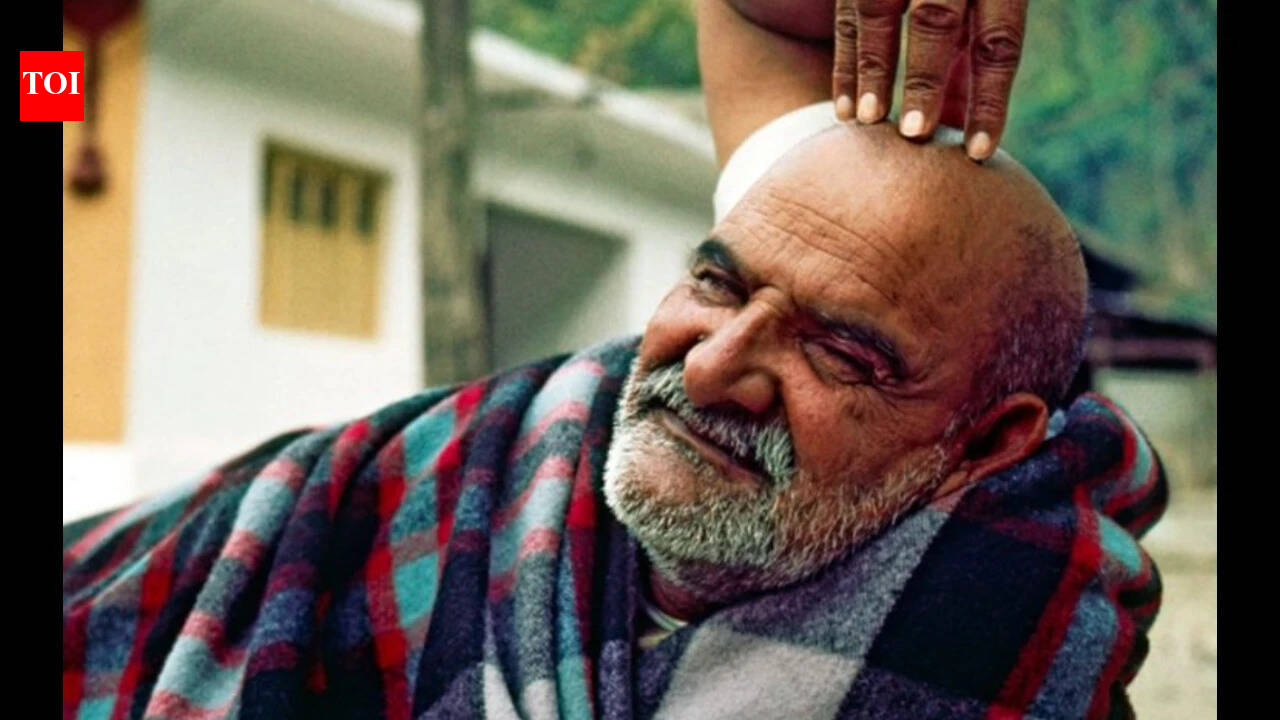
Some words linger a little longer and touch those parts of our hearts and minds where ordinary advice cannot reach.Such are the words of Neem Karoli Baba, popularly known as Maharaj ji, a 20th-century Guru and qa devoted follower of Lord Hanuman, who has guided numerous Westerners and big names in the Tech industry, like Steve Jobs and also Ram Dass, who is said to have taken his spiritual practices to the West.Neem Karoli Baba’s ideas were always centered around the theme of ‘love everyone, serve everyone, remember God, and tell the truth’; following this, he once shared a beautiful idea that sounds simple, but it asks for great inner strength. When someone hurts us, anger, resentment, and the desire to punish often arise naturally. We may feel that removing the person from our life and from our heart is the only way to protect ourselves.Baba does not ask us to deny suffering or approve of wrongdoing. Instead, it points towards a kind of love that is free from hatred.
Quote of the day
Even if a person hurts you, give him love. The worst punishment is to throw someone out of your heart.
Neem Karoli Baba
What does the quote mean?
Neem Karoli Baba does not mean to say that we should tolerate abuse, remain in an unsafe relationship, or continue trusting someone who repeatedly harms us. Love is not the same as submission. Forgiveness is not the same as forgetting. A person may need to leave, maintain distance, seek legal help, or protect themselves and their family. These actions can be necessary and wise.The true meaning is that we should not allow another person’s harmful behaviour to turn our own hearts into places of hatred. To “throw someone out of your heart” means to destroy all compassion, to become consumed by revenge, and to let anger control our inner life. In this sense, hatred becomes another form of bondage. The person who hurt us may continue to occupy our thoughts long after the event has ended.Giving love does not mean supporting someone’s wrong actions. It can mean hoping that the person learns and changes. It means not responding to cruelty with more cruelty. Sometimes love means staying silent, keeping distance, or setting a clear boundary. We can also forgive someone in our hearts, even if we do not want to meet them again or rebuild the relationship.
His words are relevant even today
Modern life often asks us to react immediately; be it through a harsh message, public disagreement, family conflict, or betrayal, it can quickly become a permanent judgment. Social media can intensify this tendency: people are blocked, publicly shamed, and reduced to their worst mistake within minutes.Neem Karoli Baba’s teaching offers a different response. It asks us to pause before channelising our hurt into hatred. This pause does not make injustice acceptable; rather, it gives us the clarity to respond without losing our dignity. A calm response is often more powerful than a reaction driven by rage.The teaching is also valuable in personal relationships. Families, friends, and partners may hurt each other through carelessness, misunderstanding, or selfishness. If every mistake becomes a reason for permanent hatred, relationships become fragile. Compassion can create the possibility of honest conversation and change. However, compassion must be accompanied by understanding and reading a person’s behaviour. Repeated cruelty should not be romanticised as a test of love.
Source link
Auto GoogleTranslater News