
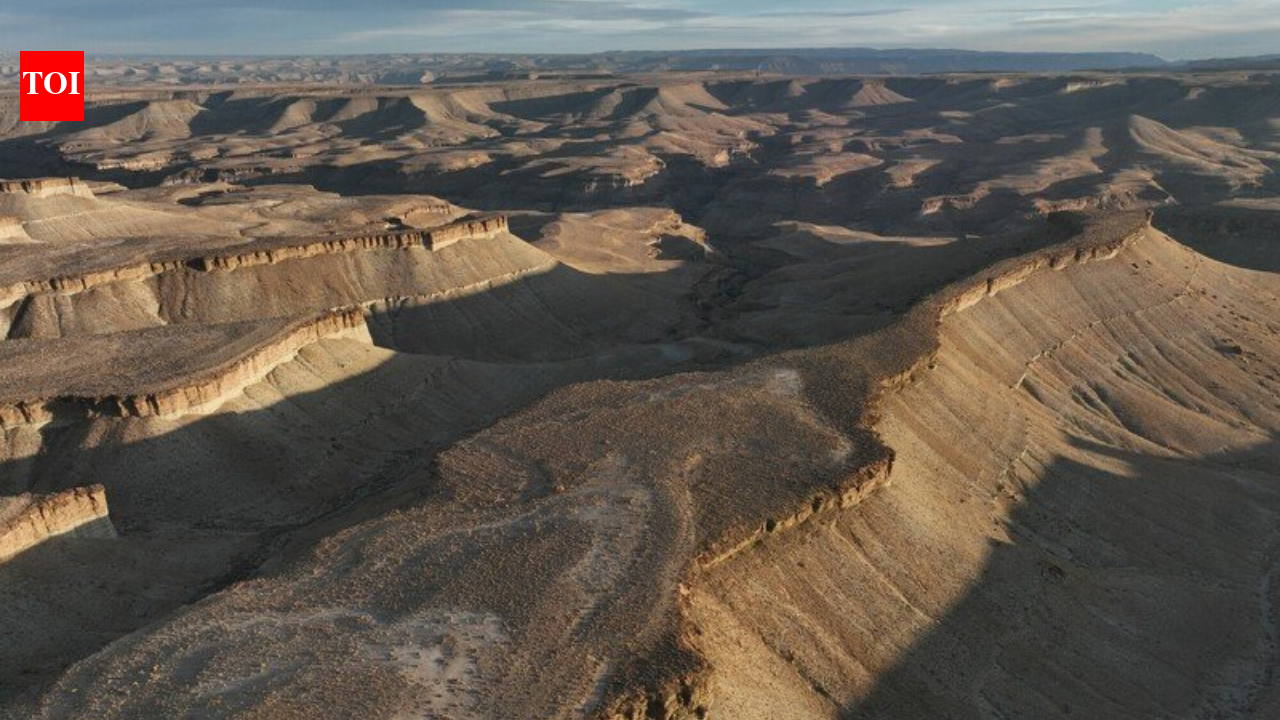
A plan to widen and pave a road through a historic canyon in the US state of Utah has triggered a new federal lawsuit, with conservation groups warning that the project could destroy cliff walls bearing 19th-century inscriptions and damage a landscape known for its Native American rock art.The lawsuit challenges the US Bureau of Land Management’s approval of a project to widen, straighten and pave the existing Gate Canyon Road in eastern Utah. The proposed work would involve blasting sections of canyon walls, some measuring around 100 feet (30 metres) high, to accommodate increased traffic, including trucks travelling to oil fields.According to a Reuters report, conservation groups filed the lawsuit this week, arguing that the project threatens historic sites and wildlife habitats in the area. The complaint was filed on October 6 in the US District Court for the District of Utah.
Why the canyon’s rock inscriptions are at risk
The lawsuit identifies at least 47 historic sites along or near the existing road, including inscriptions made by Black American soldiers who served in the US Army’s Buffalo Soldiers regiments during the 19th century. European pioneers and freighters also left their names on the canyon walls, with some inscriptions made using axle grease.The complaint states that 43 of the 47 historic sites are considered eligible for inclusion on the National Register of Historic Places, the official list of historic properties recognised for their significance in American history.The plaintiffs argue that blasting and realigning the road could destroy these features, which offer a record of people who travelled through the region and helped build its existing route.The concerns extend beyond the inscriptions. Gate Canyon connects to Nine Mile Canyon, an area recognised for its concentration of Native American rock art and archaeological remains. The US Bureau of Land Management describes Nine Mile Canyon as the “world’s longest art gallery”.According to Reuters, Nine Mile Canyon stretches for approximately 46 miles (74 km) and contains more than 1,000 rock-art sites with over 10,000 images, some dating to prehistoric times.
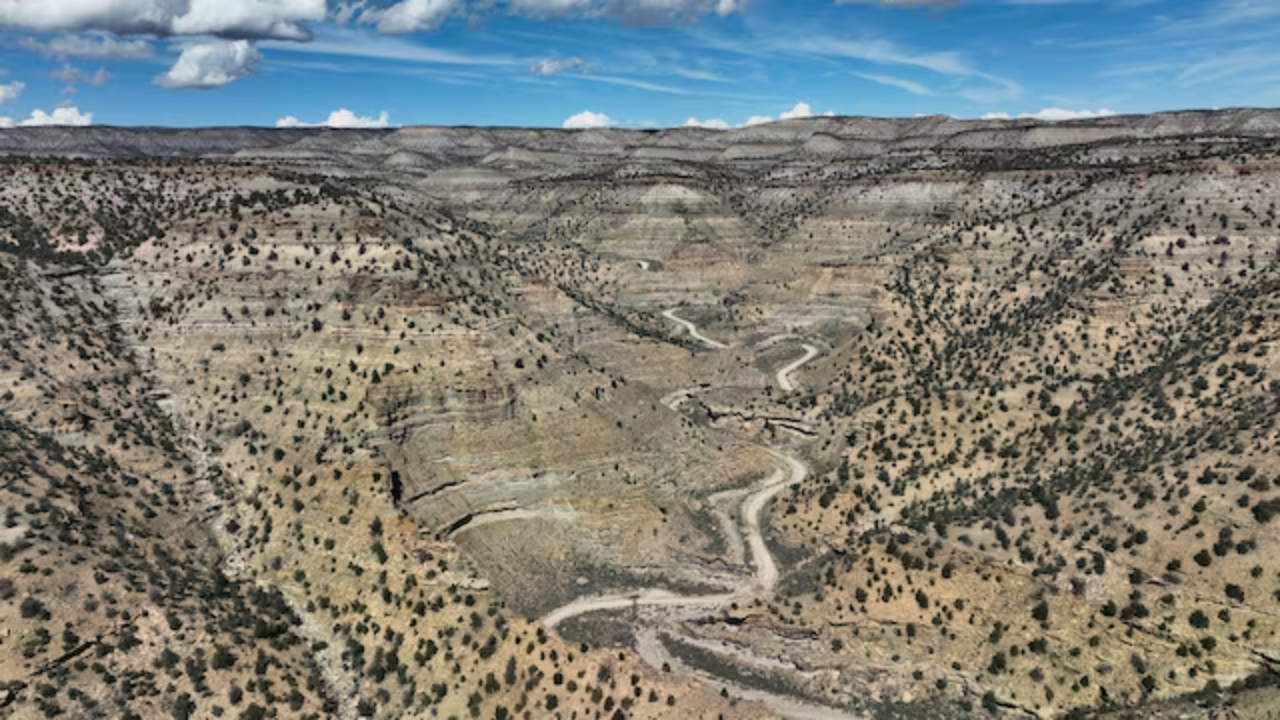
Photo courtesy: Reuters
Road project could increase oil-truck traffic
The Gate Canyon project was proposed by Duchesne County to replace a winding dirt track with a paved road. The improved route would provide an alternative truck corridor to the Uinta Basin oil fields.However, the conservation groups contend that the road could increase traffic through Gate Canyon and the adjoining Nine Mile Canyon region, placing its archaeological, scenic and environmental features under greater pressure.The lawsuit also raises concerns about wildlife, including the threatened Mexican spotted owl, whose habitat could be affected by the construction and associated changes to the area.In its complaint, the groups argue that the Bureau of Land Management approved the project in April 2026 without adequately assessing its foreseeable effects on cultural resources, historic sites, scenery and wildlife. They also allege that the agency did not provide the public with an opportunity to review and comment on the proposal before approving it.The claims are allegations made by the plaintiffs and have not been established by a court.
Conservation groups challenge federal approval
The lawsuit was brought by the Nine Mile Canyon Coalition, the Southern Utah Wilderness Alliance and the Center for Biological Diversity. They are asking the court to set aside the federal approval of the project.The complaint alleges violations of several federal laws, including the National Environmental Policy Act, the National Historic Preservation Act, the Endangered Species Act and the Federal Land Policy and Management Act. These laws include requirements relating to environmental impacts, historic preservation and the management of public lands.The complaint further argues that the agency failed to consult the US Fish and Wildlife Service about the project’s foreseeable effects on threatened and endangered species.The US Department of the Interior, which oversees the Bureau of Land Management, told Reuters it had no comment because litigation was pending.
An earlier challenge to the proposed oil route
The dispute follows a separate legal challenge announced in June 2026 by the Center for Biological Diversity over the proposed road development and its potential effects on Nine Mile Canyon.In a June 15 press release, the organisation described the proposed route as an oil highway that could threaten the canyon’s cultural and natural heritage. That announcement highlighted the broader conservation concerns surrounding increased oil-related traffic through the region.The latest lawsuit focuses on the Bureau of Land Management’s April approval of the Gate Canyon project and alleges that the decision failed to meet federal legal requirements.The case now places the proposed road improvements under judicial scrutiny, with conservation groups seeking to prevent the destruction of historic and environmental features before construction proceeds.
Source link
Auto GoogleTranslater News