
NEW DELHI: Anaya Bangar’s return to cricket has opened a much bigger conversation about transgender athletes in sport, one that now extends far beyond the cricket field.The former Mumbai Under-19 cricketer has received clearance from Cricket Australia to play women’s community cricket in the country, giving her a route back into competitive cricket after beginning her transition in 2022. Bangar can participate in Premier Cricket, which Cricket Australia classifies as community cricket, immediately. Her pathway to elite cricket from March 2027, however, comes with eligibility conditions, including a requirement to provide a blood test confirming that her serum testosterone remains below the prescribed threshold and that she continues to meet the governing body’s policy requirements.
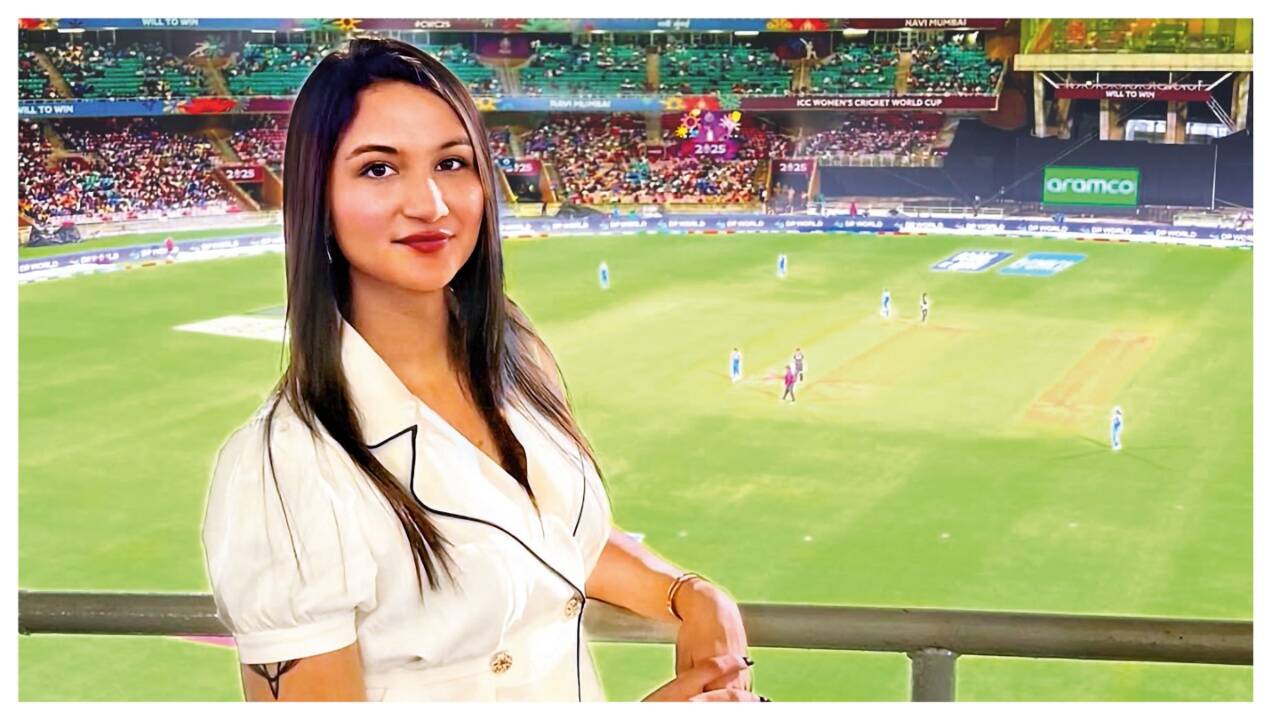
Anaya Bangar returns to cricket
The decision has already divided opinion. South Africa all-rounder Marizanne Kapp publicly criticised Cricket Australia’s position, describing the decision as “absolutely ridiculous” and arguing against transgender women competing in women’s cricket.Bangar’s case is therefore not simply about one cricketer. The Olympics have taken a very different route
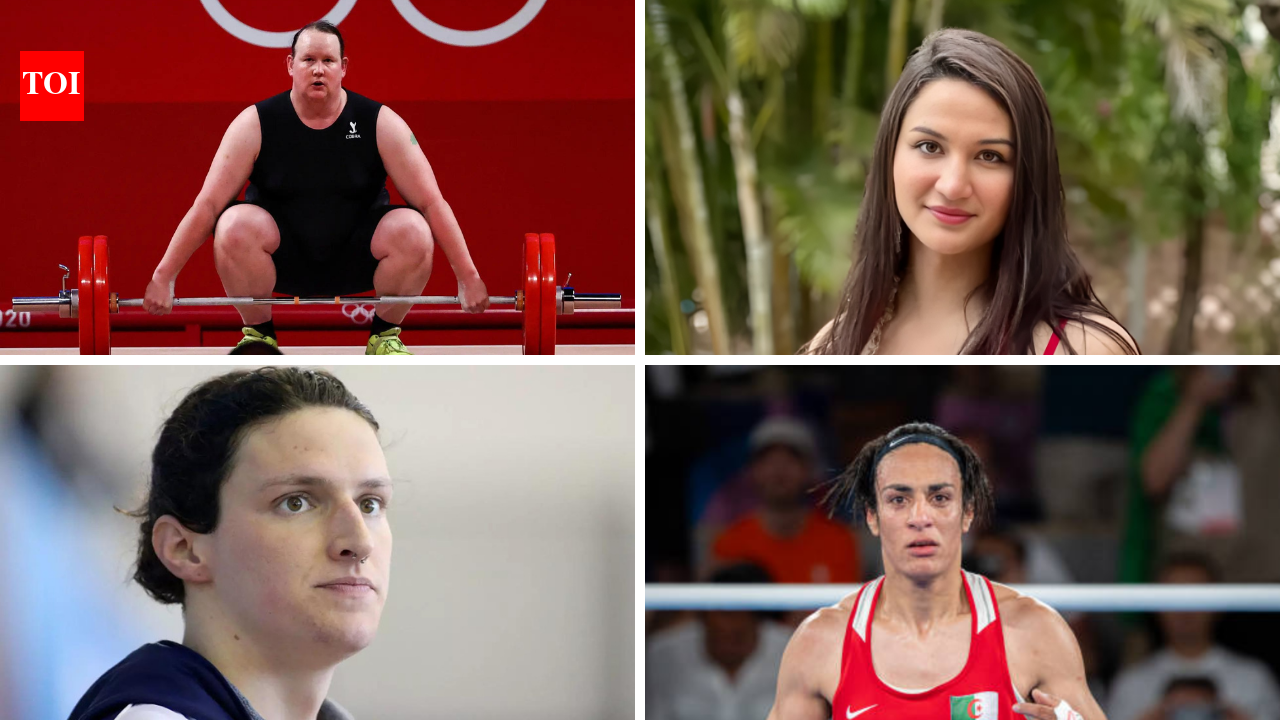
Laurel Hubbard: the Olympic milestone
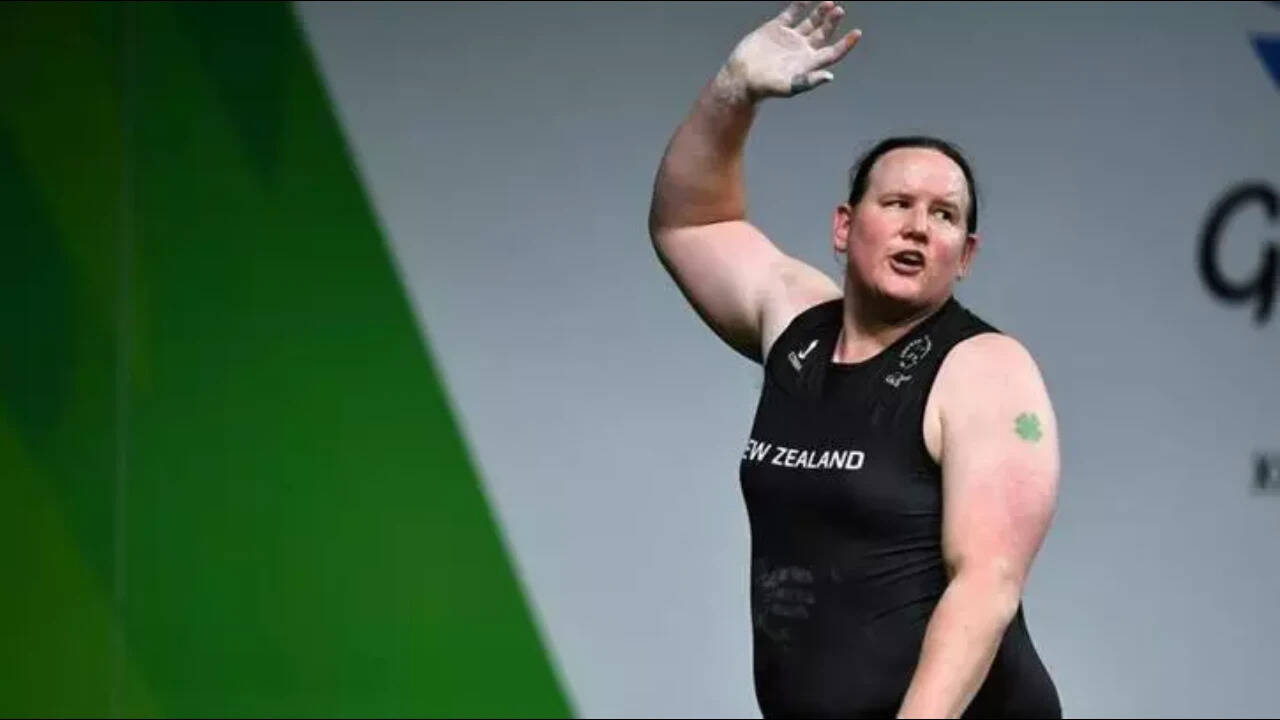
Few athletes illustrate that change more clearly than New Zealand weightlifter Laurel Hubbard.Hubbard became the first openly transgender woman to compete at an Olympic Games when she took part in the women’s super-heavyweight weightlifting competition at the Tokyo Olympics in 2021. She did not complete a successful lift in the competition and finished without a result. At the time, her participation was viewed as a landmark moment for transgender representation in elite sport.Five years later, the IOC has adopted a fundamentally different approach. From Los Angeles 2028, transgender women who do not satisfy the IOC’s biological-sex eligibility requirements will not be eligible for the women’s category at the Games.
Lia Thomas and the battle that changed American college sport
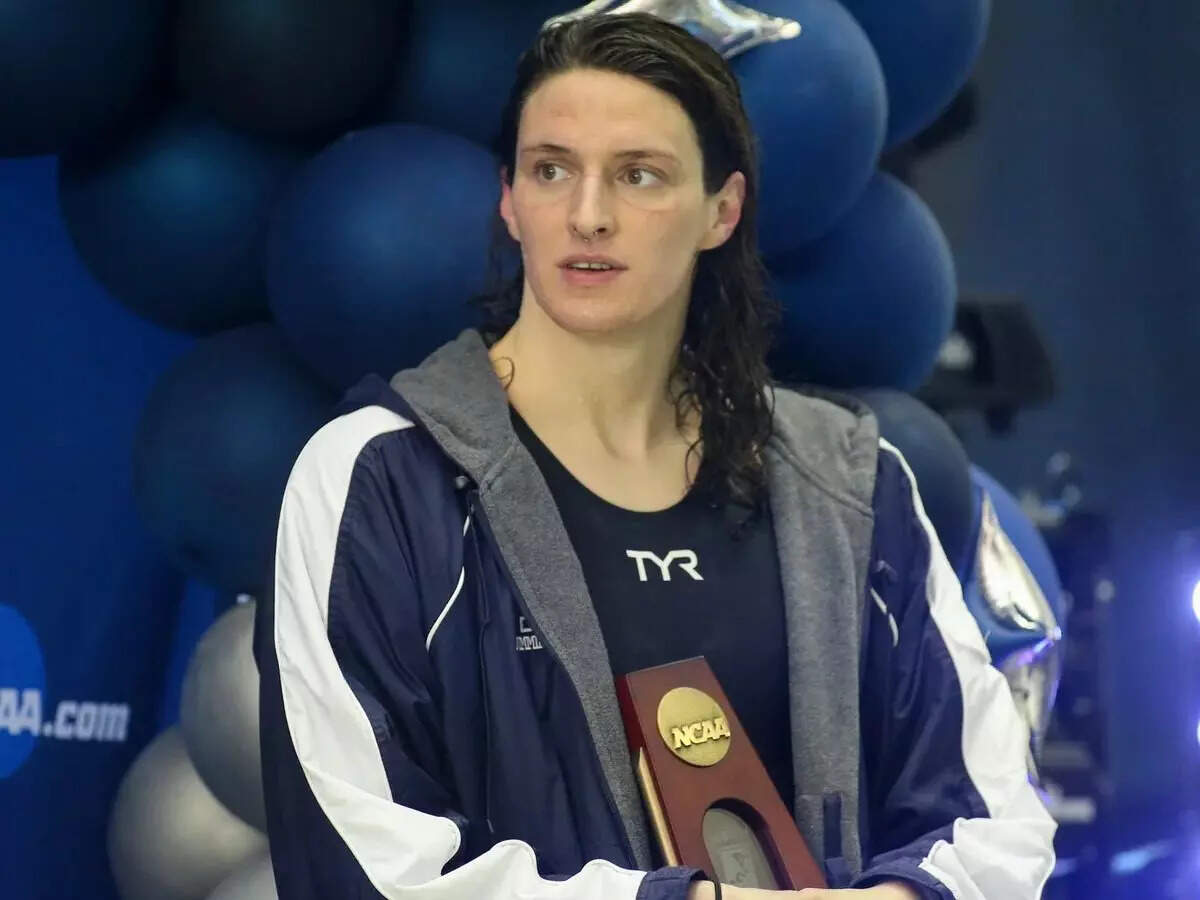
In the United States, swimmer Lia Thomas became one of the most prominent figures in the debate. Thomas competed for the University of Pennsylvania after transitioning and became the first openly transgender athlete to win an NCAA Division I individual title when she won the women’s 500-yard freestyle in 2022.Her participation triggered intense debate over eligibility, fairness and the rules governing transgender athletes in collegiate sport.The issue has since moved well beyond one swimmer. In June 2026, the US Supreme Court ruled that laws in West Virginia and Idaho restricting transgender athletes from participating on female school and college teams did not violate Title IX. The court’s decision cleared the way for states to maintain such restrictions based on biological sex.
Emily Bridges and the battle over cycling
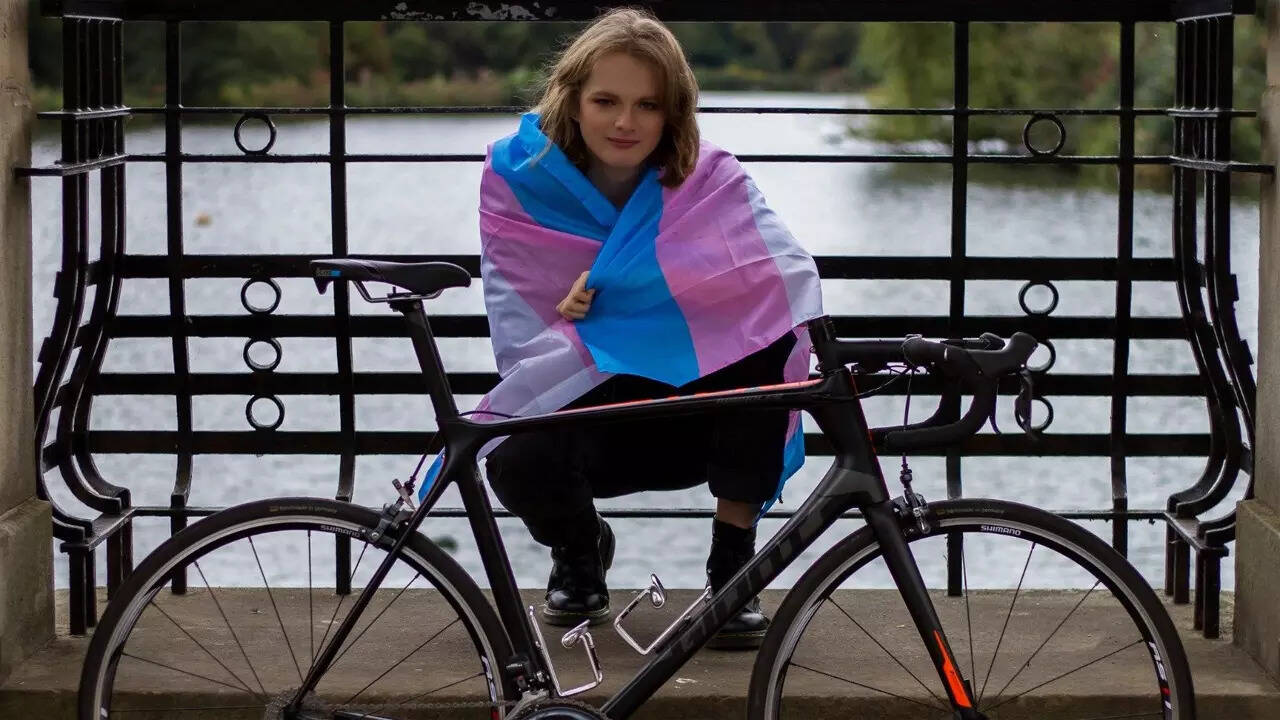
Emily Bridges. (Twitter Photo)
Cycling produced another highly visible case through British rider Emily Bridges. Bridges, who had previously competed in men’s cycling, sought to compete in women’s events after transitioning. Her eligibility became the subject of intense debate in 2022 when she was ruled ineligible for the women’s event at the British National Omnium Championships.The wider issue eventually contributed to a significant change in international cycling policy. The Union Cycliste Internationale, cycling’s world governing body, changed its rules in 2023 and prohibited transgender women who transitioned after male puberty from competing in women’s events on its international calendar. The organisation said its decision was based on the available scientific evidence and the need to protect equal opportunities in the women’s category.
Imane Khelif: The boxing controversy that blurred the lines
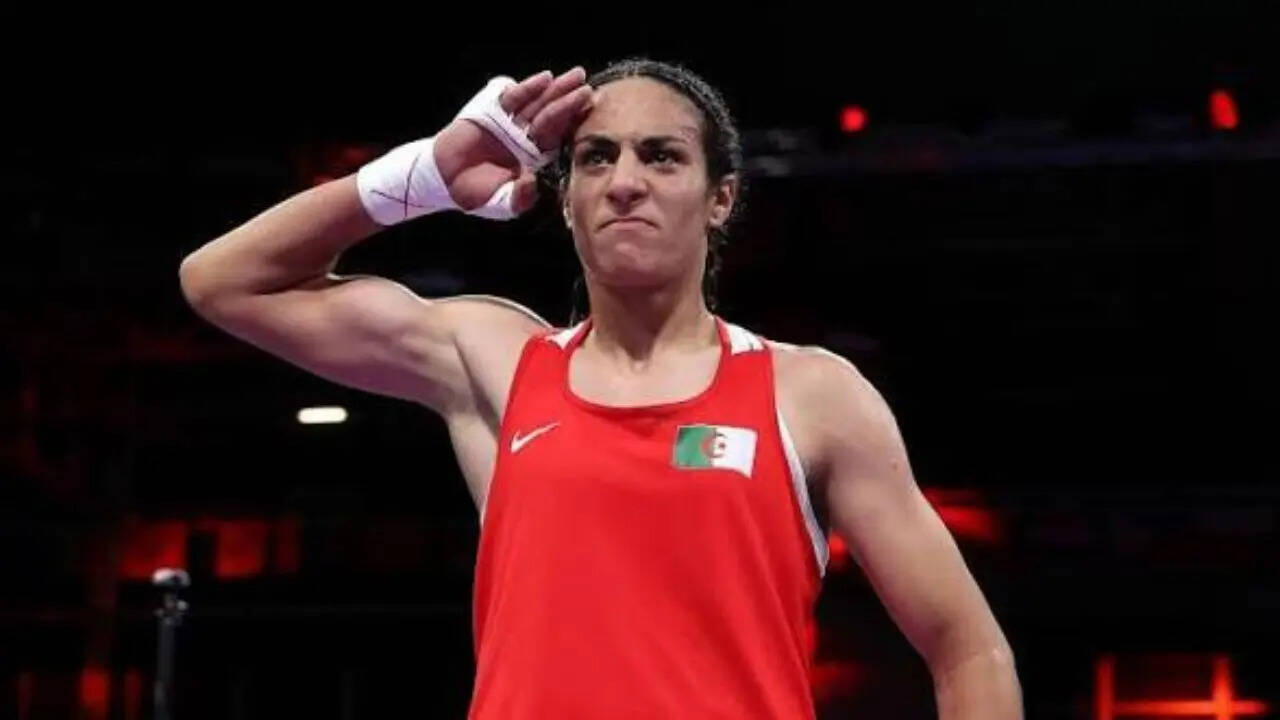
Imane Khelif (Image Via Getty)
The transgender debate in sport is also frequently linked to another high-profile case, but Imane Khelif’s story needs to be treated separately.Khelif is not a transgender athlete. The Algerian boxer was born and raised as a woman and competed in the women’s 66kg category at the Paris 2024 Olympics, where she went on to win the gold medal.Yet her participation became one of the biggest controversies of the Games.The issue stemmed from a dispute between boxing’s governing bodies. The International Boxing Association (IBA) said Khelif had failed its eligibility requirements at the 2023 World Championships and claimed that testing had found her ineligible to compete in the women’s category. However, the IBA did not publicly release the underlying test results. The IOC, which was responsible for the boxing competition at Paris 2024, rejected the IBA’s position and allowed Khelif to compete.
The WNBA debate too
The conversation has also reached women’s basketball in the United States. Indiana Fever player Sophie Cunningham recently reignited the debate after speaking publicly about transgender participation in women’s sport. Her comments generated both support and criticism, forcing the WNBA to address an issue that had largely remained outside the league’s immediate competitive spotlight.WNBA commissioner Cathy Engelbert subsequently told teams that the league would continue discussing transgender participation, acknowledging the growing attention surrounding the issue.The situation is particularly interesting because there is currently no openly transgender player competing in the WNBA.
Source link
Auto GoogleTranslater News